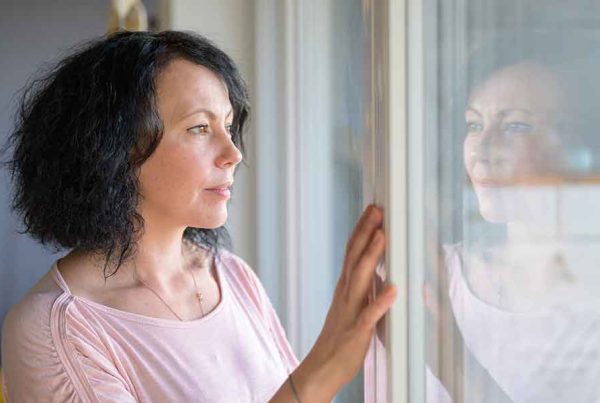
As the days get shorter and temperatures begin to drop, October is the perfect time to prepare your health for winter. From supporting your immune system and checking your vitamin levels to managing long-term conditions and staying up to date with vaccinations, a few simple steps can help you look after your wellbeing throughout the colder months.
Winter can bring additional challenges for our health. Colder weather, reduced daylight, seasonal infections and changes to our daily routines can all affect how we feel physically and mentally.
For some people, winter means more frequent coughs and colds. For others, it can bring increased joint discomfort, disrupted sleep, lower energy levels or difficulties managing an existing health condition.
The good news is that there are practical steps you can take to prepare.
At Glasgow Medical Rooms, we believe that taking a proactive approach to your health can help you make informed decisions about your wellbeing. Here is our practical winter health checklist to help you feel prepared for the months ahead.
1. Check that your vaccinations are up to date
Winter is a time when respiratory infections, including influenza and COVID-19, commonly circulate.
Vaccination can help reduce the risk of severe illness, particularly for people who are older, pregnant, have certain underlying medical conditions or meet other eligibility criteria.
As autumn progresses, it is worth checking whether you are eligible for seasonal flu and COVID-19 vaccinations under the current NHS Scotland programme.
You may also wish to discuss other vaccinations with a healthcare professional if you have an underlying condition, are planning to travel or have specific health risks.
Your winter checklist:
- Check whether you are eligible for seasonal flu and COVID-19 vaccinations.
- Follow NHS Scotland guidance on where and when to receive them.
- If you have a long-term condition, ask whether any additional vaccinations are recommended for you.
Vaccination recommendations can change, so check the latest official guidance rather than assuming that the same programme applies to everyone each year.
2. Support your immune system with everyday habits
Your immune system relies on a combination of factors, including adequate nutrition, sleep, physical activity and overall health.
Although no food or supplement can guarantee that you will avoid winter infections, maintaining healthy habits can support normal immune function and general wellbeing.
Eat a balanced diet
Aim to include a variety of vegetables, fruit, wholegrains, protein sources and healthy fats in your meals.
Foods such as eggs, oily fish, beans, lentils, nuts and leafy green vegetables can contribute important nutrients to a balanced diet.
Vitamin D is particularly relevant during autumn and winter because there is less sunlight available for the body to produce it.
In the UK, government guidance advises adults and children over four to consider taking a daily supplement containing 10 micrograms of vitamin D during autumn and winter. Some people may need year-round supplementation, and individual circumstances can differ.
If you have a medical condition, take regular medication or are unsure about supplements, ask a healthcare professional or pharmacist for advice.
Stay hydrated
It can be easy to drink less water when the weather is cold, but hydration remains important throughout the year.
Water, milk and unsweetened drinks can contribute to your daily fluid intake. Warm drinks may also help you maintain your usual drinking habits during colder weather.
Be cautious with supplements
Taking large doses of vitamins or minerals is not necessarily beneficial and can sometimes be harmful.
If you are concerned about a nutritional deficiency, a clinician can assess your symptoms, dietary habits and risk factors and advise whether testing or supplementation may be appropriate.
3. Take persistent tiredness seriously
Feeling more tired during darker months is not unusual. Changes in daylight, sleep patterns, physical activity and mood can all influence energy levels.
However, persistent fatigue should not automatically be attributed to winter.
If you regularly wake up feeling exhausted, struggle to concentrate or find that tiredness is affecting your daily activities, there may be an underlying cause worth investigating.
Possible contributors include iron deficiency, anaemia, thyroid problems, nutritional deficiencies, diabetes, sleep disorders and other medical conditions.
When should you get your tiredness checked?
Consider speaking to a healthcare professional if your fatigue:
- Persists for several weeks without an obvious explanation.
- Does not improve despite getting adequate rest.
- Affects your work, relationships or everyday activities.
- Occurs alongside symptoms such as unexplained weight changes, unusual thirst, breathlessness or difficulty concentrating.
A clinician can review your symptoms and determine whether blood tests or other investigations are appropriate.
Consider a focused health assessment
At Glasgow Medical Rooms, our Tired All the Time Health Assessment is designed to investigate persistent fatigue and explore potential underlying medical factors.
The assessment includes a 30-minute initial consultation with an Advanced Nurse Practitioner, a broad panel of blood tests and laboratory screening, and a 30-minute follow-up appointment with an experienced GP to review your results in detail.
The screening covers areas including:
- Full blood count and iron status.
- Nutritional health, including vitamin B12, folate and vitamin D.
- Thyroid health.
- Diabetes health.
- Kidney health.
- Infection and inflammation markers.
- Urinalysis, blood pressure and BMI.
Results are typically available within seven days. Your GP will discuss the findings and any appropriate next steps with you.
Interested in understanding why you feel tired all the time?
Book your Tired All the Time Health Assessment.
4. Review your long-term health conditions
If you live with a long-term condition, it is worth considering whether your usual management plan needs reviewing before winter arrives.
Cold weather and seasonal changes can affect some people with asthma, COPD, cardiovascular conditions, arthritis and other chronic illnesses.
For example, cold air can trigger breathing symptoms in some people with asthma, while colder temperatures can put additional strain on the cardiovascular system.
Winter can also make it harder to remain physically active, which may affect the management of certain conditions.
Your winter checklist:
- Make sure you have an adequate supply of prescribed medication.
- Check that you understand how and when to take your medication.
- Review any existing action plan with your healthcare professional if needed.
- Check whether you are due a routine review or monitoring appointment.
- Seek advice if your symptoms have changed or become more difficult to manage.
Do not stop or change prescribed medication without discussing it with an appropriate healthcare professional.
If you have concerns about your health, a private GP consultation can provide an opportunity to discuss your symptoms, review relevant medical history and consider whether further assessment is required.
5. Protect your mental health during the darker months
Shorter days and reduced daylight can affect mood, motivation and daily routines.
Some people experience lower energy levels during winter, while others notice changes in sleep, appetite, concentration or their interest in usual activities.
For some individuals, seasonal changes can contribute to seasonal affective disorder (SAD), a type of depression associated with particular times of year.
There are several practical steps that may help support your mental wellbeing.
Get daylight when you can
Try to spend time outdoors during daylight hours, even if it is only for a short walk during your lunch break.
Natural daylight can help support your body clock and sleep-wake routine.
Keep a regular sleep schedule
Aim to go to bed and wake up at consistent times. Maintaining a regular routine can help support sleep quality and energy levels.
Stay connected
Cold weather and darker evenings can make it tempting to spend more time alone. Keeping in touch with friends, family and colleagues can help reduce feelings of isolation.
Keep moving
Physical activity can support both physical and mental health. Choose activities that suit your fitness level and circumstances, whether that means walking, swimming, exercising at home or attending a class.
If low mood, anxiety or loss of interest persists or starts affecting your daily life, consider speaking to a healthcare professional. Support is available, and you do not need to wait until symptoms become severe before asking for help.
6. Look after your skin during colder weather
Cold outdoor temperatures, wind and indoor heating can contribute to dry, irritated skin.
People with eczema or other skin conditions may find that their symptoms worsen during winter.
To help protect your skin:
- Use a suitable moisturiser regularly.
- Avoid excessively hot showers and baths, which can worsen dryness.
- Choose gentle cleansing products if your skin is sensitive.
- Protect exposed skin from cold weather.
- Continue using appropriate sun protection when needed, including on bright winter days.
If you develop a persistent rash, unexplained skin changes or symptoms that do not improve with routine care, seek medical advice.
7. Keep moving safely throughout winter
Maintaining physical activity can become more challenging when temperatures drop and daylight hours are limited.
However, regular movement remains important for cardiovascular health, muscle strength, joint function, sleep and mental wellbeing.
You do not necessarily need an intensive exercise routine. Walking, indoor cycling, swimming, home workouts and gentle mobility exercises can all contribute to an active lifestyle.
During colder weather, remember to:
- Wear suitable layers when exercising outdoors.
- Choose footwear with good grip in wet or icy conditions.
- Warm up before more strenuous activity.
- Consider indoor alternatives when conditions are unsafe.
- Adjust your activity to suit your health and fitness level.
If you have a medical condition or are returning to exercise after a period of inactivity, ask a healthcare professional for advice if you are unsure which activities are suitable.
8. Be prepared for coughs, colds and other winter infections
Respiratory infections are common during winter, and it is useful to know how to manage mild symptoms and when to seek help.
Simple precautions can help reduce the spread of infections:
- Wash your hands regularly.
- Cover your mouth and nose when coughing or sneezing.
- Dispose of tissues promptly.
- Keep indoor spaces well ventilated where practical.
- Avoid close contact with vulnerable people when you are unwell.
If you develop a mild cold, rest, fluids and appropriate symptom relief may help you feel more comfortable.
Antibiotics do not treat viral infections such as the common cold, so they are not routinely appropriate for these illnesses.
When should you seek medical advice?
Contact a healthcare professional if your symptoms are getting worse, are not improving as expected or are causing concern, particularly if you have an underlying medical condition.
Seek urgent medical advice for symptoms such as significant breathing difficulties, dehydration or a high or persistent fever accompanied by worsening illness. Call 999 or attend A&E for a life-threatening emergency.
If you are unsure how serious your symptoms are, seek appropriate medical advice rather than relying solely on online information.
9. Consider whether a health check could be beneficial
Winter can be a useful opportunity to review your health, particularly if you have been putting off an appointment or have noticed changes in how you feel.
A health assessment may be worth discussing with a clinician if you have ongoing symptoms, relevant risk factors or concerns about a particular aspect of your health.
Depending on your circumstances, an assessment may involve reviewing your medical and family history, discussing lifestyle factors, checking blood pressure or considering blood tests.
Tests should be selected according to your individual needs rather than assuming everyone requires the same screening panel.
For example, a clinician may consider investigations relating to cholesterol, blood glucose, thyroid function, iron status or nutritional deficiencies when symptoms and risk factors make them appropriate.
At Glasgow Medical Rooms, our private GP consultations and health assessment services provide opportunities to discuss your health concerns and explore appropriate next steps.
The purpose is not to test for everything unnecessarily, but to help identify relevant risks, investigate symptoms and support informed decisions about your health.
10. Make your home safer for winter
Looking after your health also means reducing everyday risks around the home.
Poor weather, icy paths and reduced daylight can increase the risk of slips and falls, particularly for older adults and people with mobility difficulties.
A few simple precautions can help:
- Keep walkways clear and use suitable outdoor footwear.
- Check that outdoor lighting is working.
- Keep your home comfortably warm where possible.
- Make sure smoke alarms are working.
- Arrange for someone to check in on vulnerable relatives or neighbours during particularly cold weather.
- Follow official guidance if severe weather is forecast.
If you are older, have a long-term condition or are particularly vulnerable to cold weather, planning ahead can help you manage the season more comfortably.
Your winter health checklist
Before winter gets fully underway, use this quick checklist to review your health and daily habits.
- Check whether you are eligible for seasonal vaccinations.
- Review your diet and consider whether you are following vitamin D guidance.
- Maintain regular sleep and physical activity routines.
- Arrange a medical assessment if you have persistent or unexplained fatigue.
- Make sure you have enough prescribed medication.
- Review any long-term condition management plans.
- Pay attention to changes in your physical or mental health.
- Keep up with recommended health reviews and screening.
- Prepare your home and outdoor routines for colder weather.
- Know when to seek medical advice if symptoms develop.
You do not need to make every change at once. Even small, consistent steps can help you feel better prepared for the months ahead.
Get winter-ready with Glasgow Medical Rooms
Preparing for winter is not just about avoiding coughs and colds. It is also about recognising changes in your health, managing existing conditions and seeking advice when something does not feel right.
If you have been experiencing persistent tiredness, have concerns about your general health or would like to discuss symptoms with a clinician, Glasgow Medical Rooms offers private GP consultations and dedicated health assessment services in Glasgow.
Our Tired All the Time Health Assessment provides a focused investigation into persistent fatigue, with blood testing and a follow-up consultation with an experienced GP to discuss your results and potential next steps.
Take a proactive approach to your health this winter.
Book an appointment with Glasgow Medical Rooms.
This article is intended for general information and does not replace personalised medical advice. Vaccination eligibility and clinical recommendations may change. Speak to a healthcare professional about your individual circumstances and seek urgent help for serious or worsening symptoms.